← Back to Projects
Mk. Rover V2
Personal Rover Project
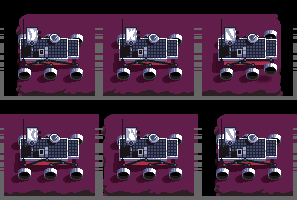
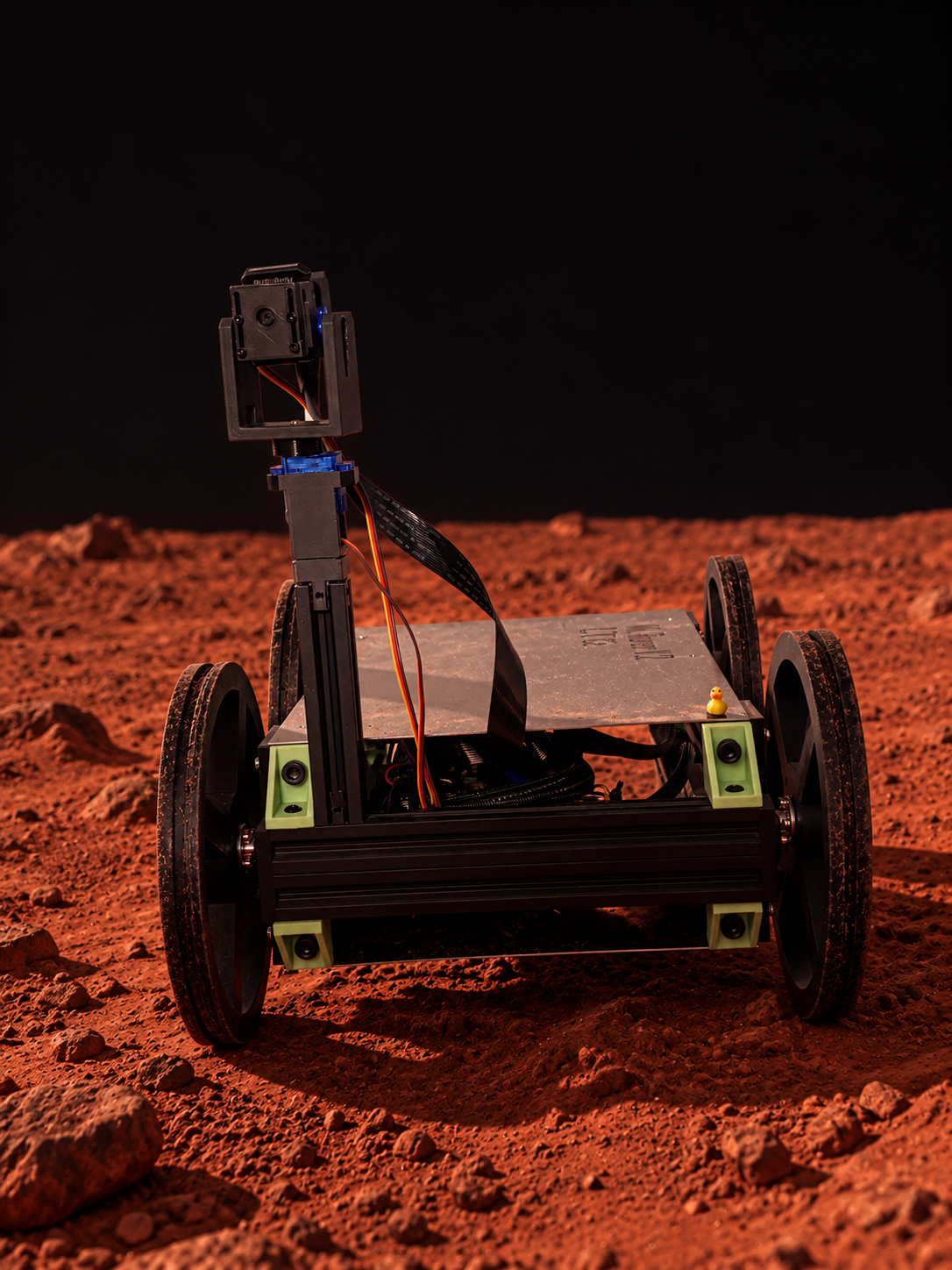
Mk. Rover V2 is the next iteration of my personal rover platform, building on a functional V1 prototype with improved mechanical design, power management, and autonomous operating capabilities. The project focuses on making the rover more reliable, easier to test, and better suited for extended missions.
V1 Platform
The original rover established the core systems needed for remote operation. It uses LiPo batteries, a motor drive system controlled through a terminal, and an adjustable voltage regulator to supply the Raspberry Pi. The Pi powers the sensors and supporting electronics, while the motors draw power from the battery system. V1 supports driving, camera access, magnetometer and accelerometer readings, and a custom user interface that connects to the rover through a MongoDB-based workflow. It can also continuously livestream camera footage to YouTube over Wi-Fi, making remote testing and troubleshooting more accessible.
V2 Development
The V2 redesign will introduce a revised chassis, updated LiPo battery configuration, improved software, and a solar-assisted power management system. My plan is to integrate an existing LiPo charging circuit with a new control board rather than develop a battery charging circuit from scratch. The board will monitor solar panel power and battery level, then communicate those measurements to the Raspberry Pi over serial. An Arduino will manage when the Pi powers on and off according to mission requirements, default settings, or user-defined intervals. I also plan to replace the manually adjustable regulator with a fixed-output, waterproof automotive DC converter rated for 5 V at 3 A, pending verification that it is compatible with the rover’s actual input voltage and load requirements.
Current Progress and Next Steps
I have begun ordering the parts for the redesigned chassis and identifying fitment issues before assembly. The first fasteners were undersized, so I am checking the mounting-hole dimensions before ordering replacements. I also discovered that the anodized aluminum panels were too large for the new frame. I plan to order correctly sized panels and use the original pieces as drilling and alignment test material. Once the chassis hardware is finalized, the next phase will focus on mechanical assembly, electrical integration, power-system validation, and software updates for V2.
← Back to Projects
First Aerospace Engineering Internship
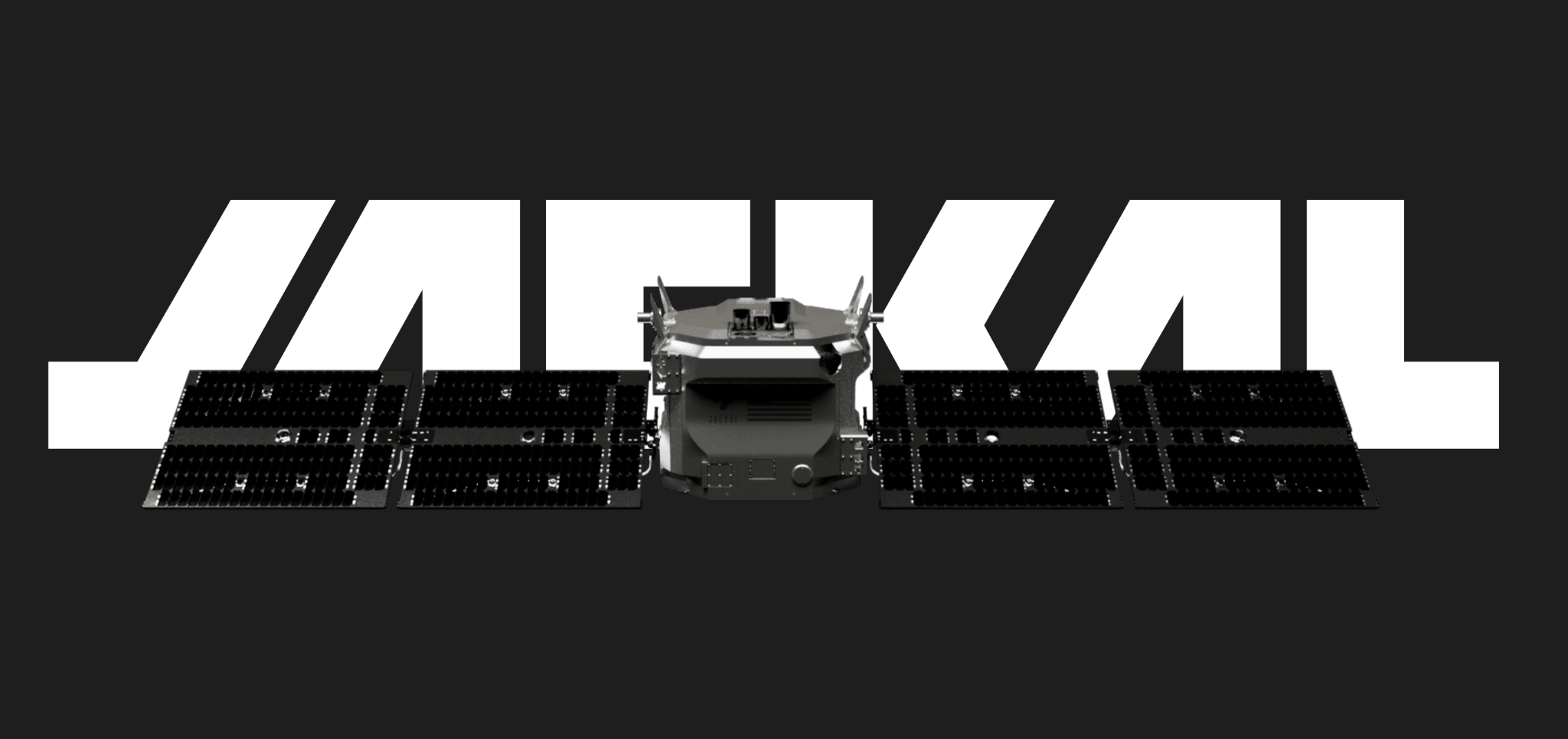
Jackals 1 & 2
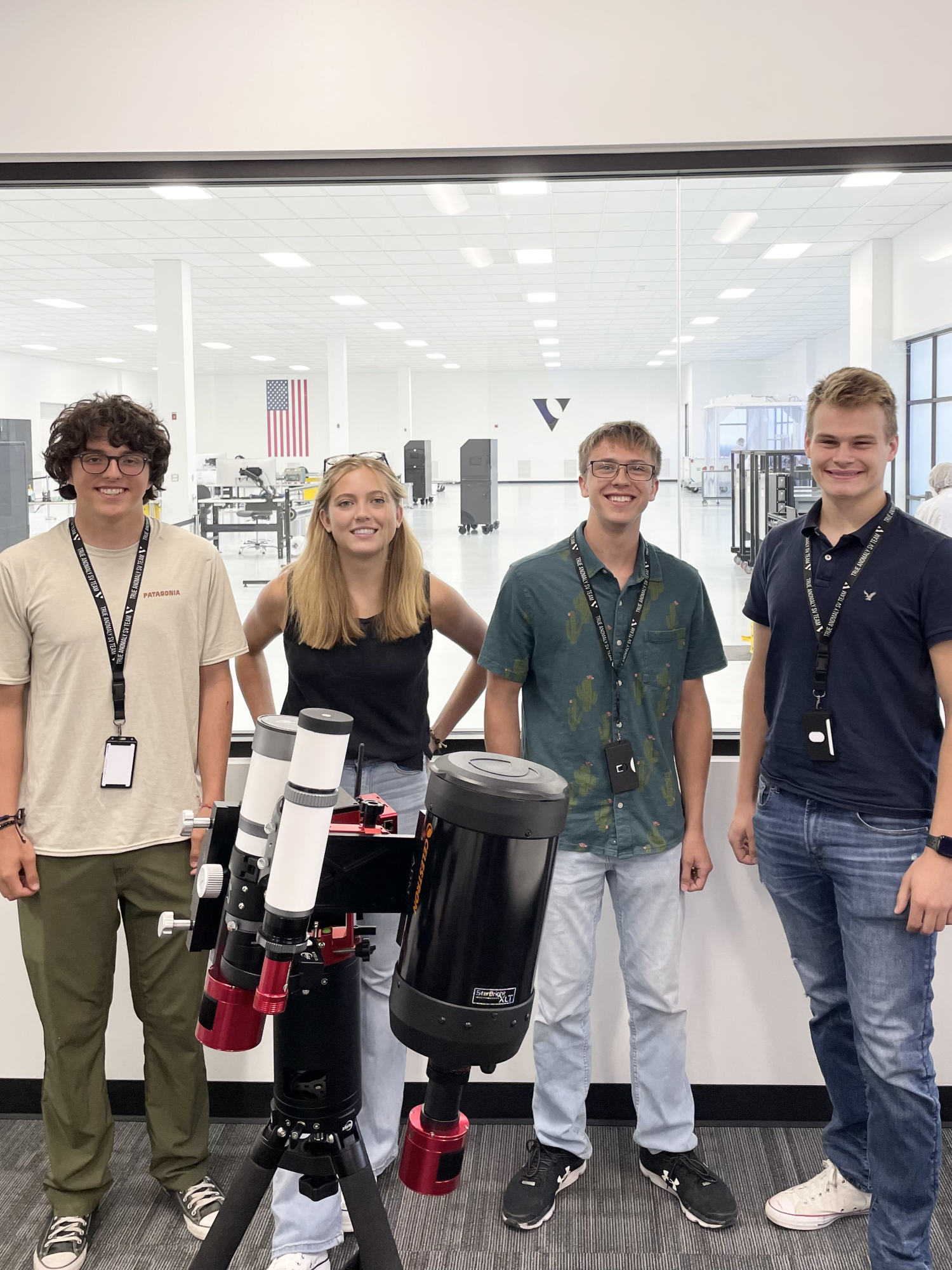
Aided in enabling Jackal’s ability to collect multi-spectral imagery, full-motion
video, and metric observation data of any resident space object in any orbit
using Earth-collected data sourced from telescopic observations
Assisted in creation of sensor test hardware
Presented and changed designs based off of PDR
Helped with fixing algorithms meant to enhance visual detection
Python Software
Wrote scripts to analyze and compare large datasets and made physics tools
Electrical Harness testing
Professional leadership Experience
← Back to Projects
Micro Drone
Micro Drone
An ESP32 based project meant for developing effective PID Controllers and fast paced GPIO Commands
Goal
Fully functional micro drone with camera and sensor suite
Process
Currently in PCB Development, Will be ordering the first prototype board next month
Next Steps
Finalize prototype board, test hardware, Upload first Code version
← Back to Projects
High altitude balloon launch and development
HAB 4 Launch
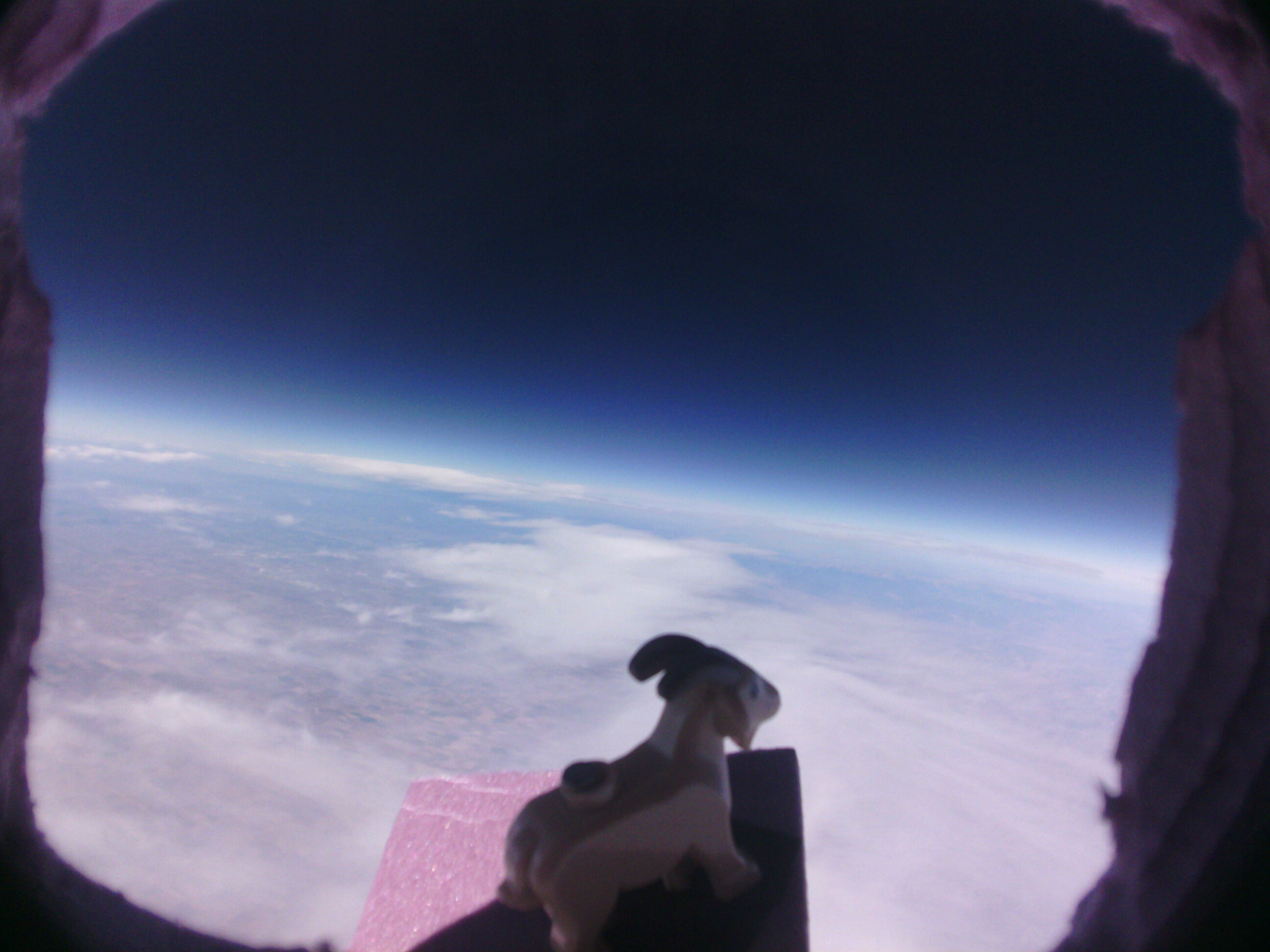
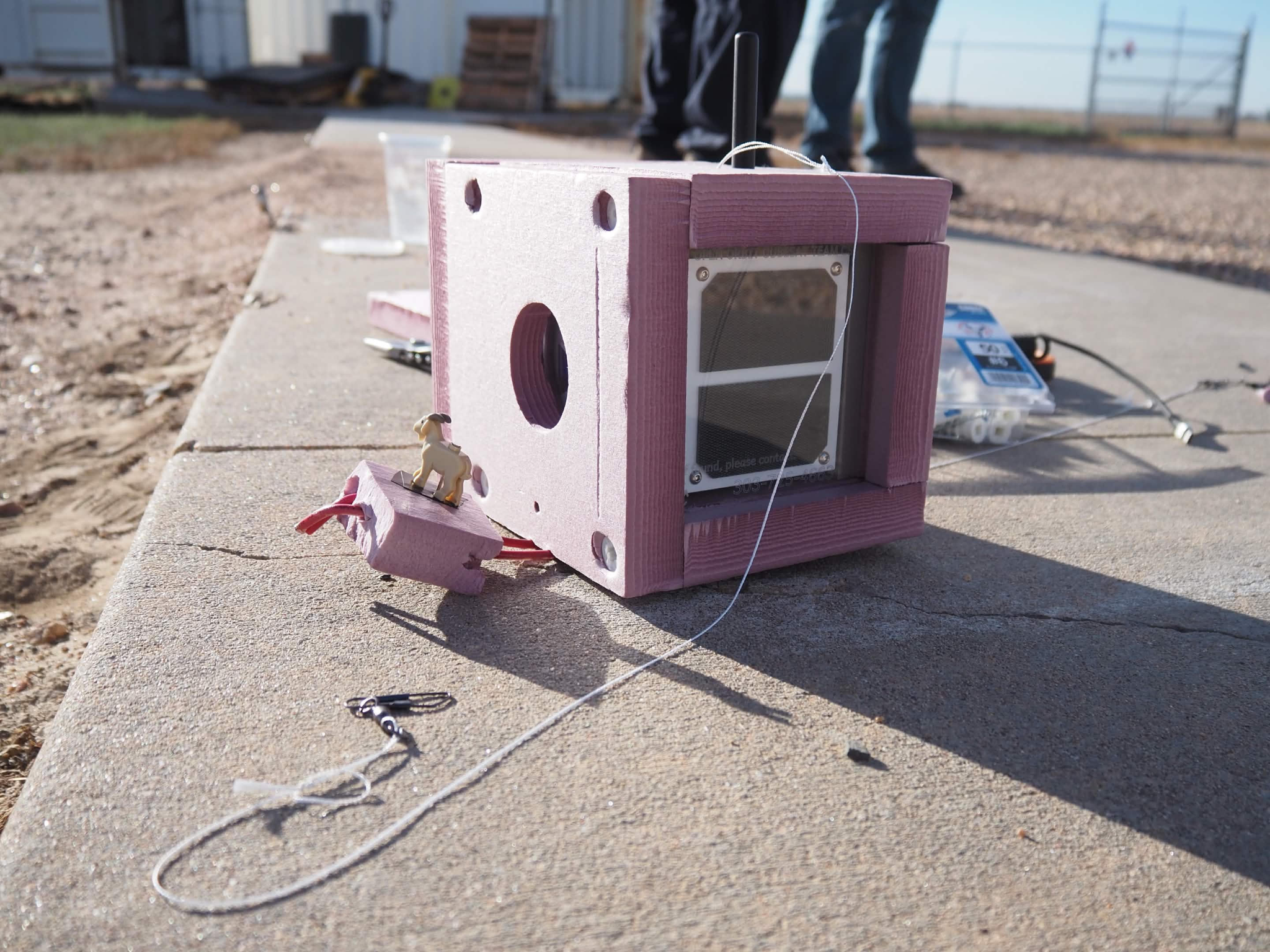
The goal was to send Robinson Aerospace’s RasCube education payload to an altitude of 20km, an Australian company based in Adelaide. Their Hardware has never been sent over 1km and we were the first to send this new platform up a high altitude balloon (HAB).
Compared to our previous launches, our collected data was significantly more accurate, detailed, and informative than what we had ever collected in the past; this data was more accurate with the help of Robinson Aerospace's better sensors.
Using the data collected during this launch we will be working to develop a single board recovery system that will house our sensor suite, gps, and radio antenna. This will allow us to launch further missions with ease and without fear of losing HAB’s and payloads. This will allow us to speed up further HAB Developments
Contact
Interested in getting in touch? You can contact me directly using the information below.
Email
[email protected]
For engineering projects, internship opportunities, professional inquiries, or collaboration.